At Man’s side for millenia, the dog has adapted, but he has behavioral and nutritional requirements of his own. Knowing them and respecting them will guarantee his well-being and his health.

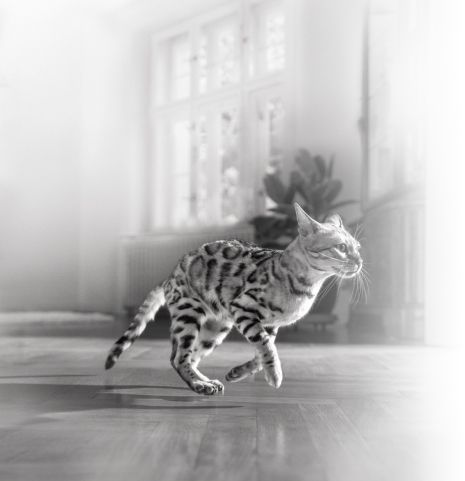
The cat’s feline nature is always a matter of fascination. He adapts with apparent ease to daily life, and yet he has behavioral and nutritional requirements of his own. Knowing them and respecting them will guarantee his well-being and his health.

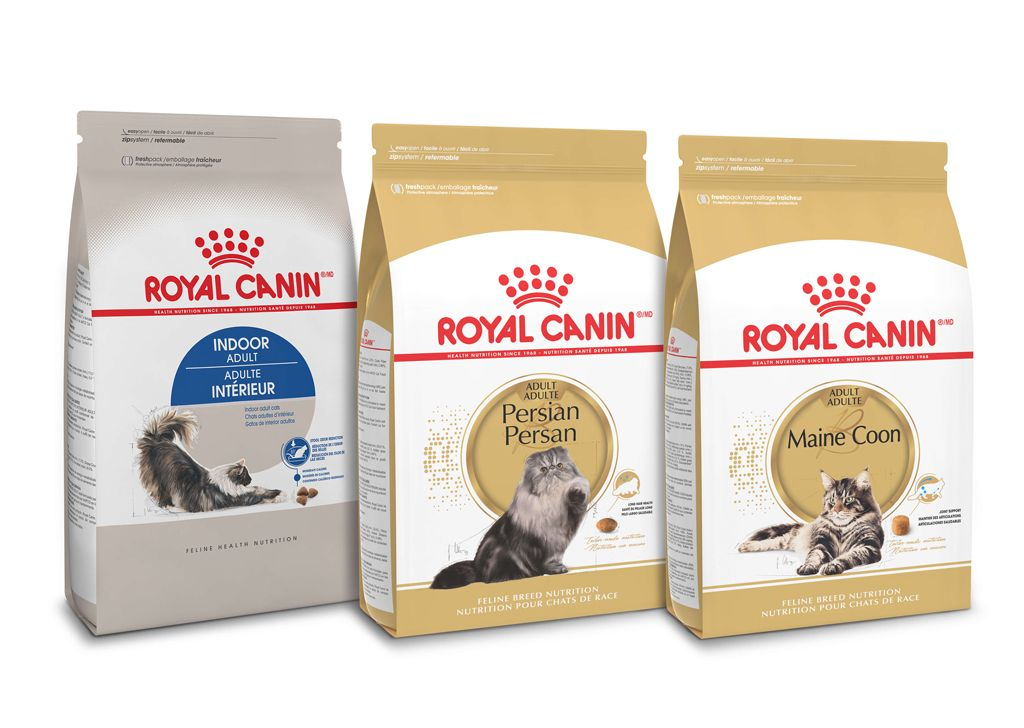
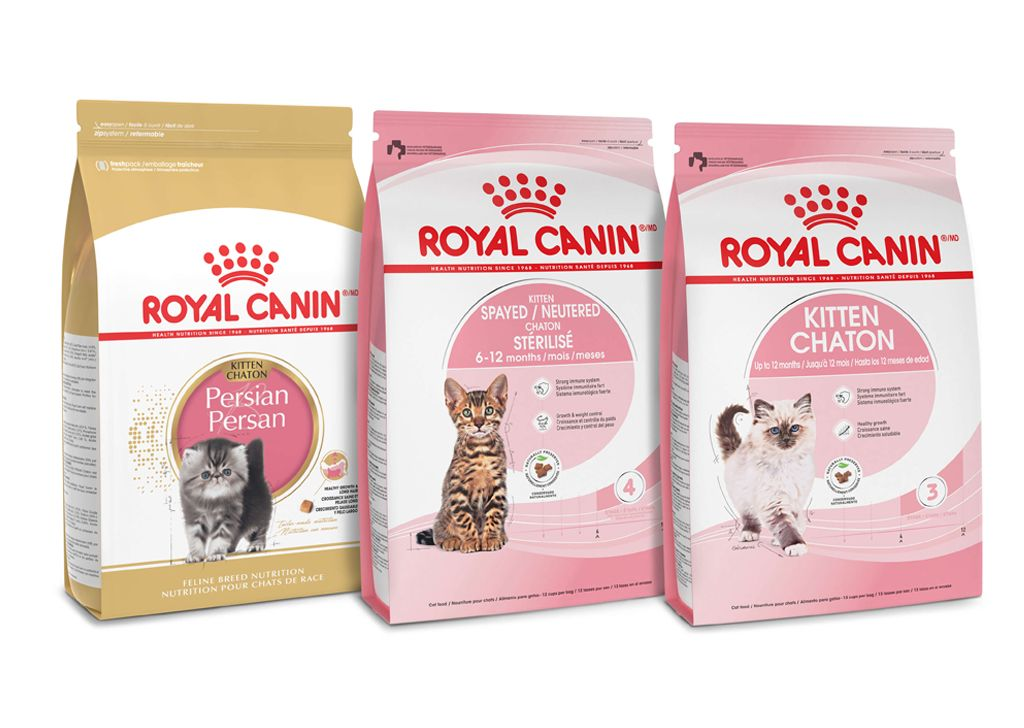
Because of its composition, a Royal Canin Health Nutrition food provides all essential nutrients measured out with utmost precision in order to contribute every day and on a long-term basis to the well-being and health of every animal, according to his age, his size, his physiological condition and his breed.

Innovation for the sake of dogs and cats’ health. For over 40 years, Royal Canin has worked with breeder partners and veterinary nutritionists to go ever further into innovation and precision to enable us to formulate nutritional solutions which perfectly meet dogs and cats’ real needs.

Living with your puppy

Feeding him

A good diet makes for a harmonious growth

The period extending from birth through the end of growth is a period of intense development. Providing the puppy with a good diet is essential to obtain a harmonious growth and prevent pathological problems

Print Send to a friend aA+ Aa-

Giving a proper diet to a puppy

This is the basic rule that’s always worth remembering: a puppy must eat neither too much, nor too little, and at any rate should not be stuffed under the pretext of pleasing him. Overfeeding has detrimental consequences. It leads to early excess weight gain in the large breed puppy and predisposes him to suffering from osteoarticular problems. In the puppy of a small-sized breed, it may promote multiplication of the cells making up the adipose tissue, and favor the installation of an obese condition at adulthood.
A well-chosen energy content and observance of intakes determined according to proper bases enable to act preventively against the risk of excess weight gain. Contrarily to a number of widespread ideas, biologically, the dog needs no “variety” in his diet and is even a poor “taster,” choosing chiefly his foods thanks to a highly developed sense of smell.

Specific qualitative requirements

After weaning, the number of meals will have to change with age, starting with four meals a day in the weeks following weaning, before switching to three, and then to two at mid-growth. Ideally, food quantities to be distributed should be based on the growth curves of the different types of dogs and on their specific requirements or on the monitoring of the animal’s overweight condition.

Protein, lipids, carbohydrates, vitamins, minerals, trace elements... Every nutrient of the food intake has a role of its own. Excesses and deficiencies are just as detrimental to the puppy’s health. Thus, a large breed puppy is more demanding than a small breed puppy as regards his calcium intake. If they eat the same food, the former runs the risk of suffering from calcium deficiency.

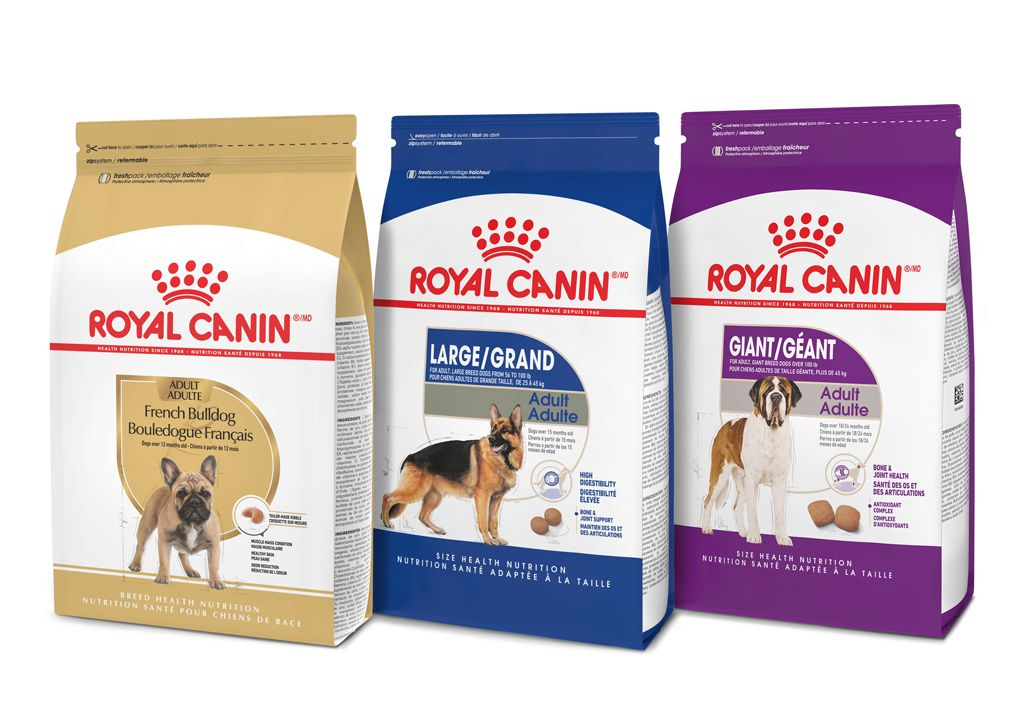
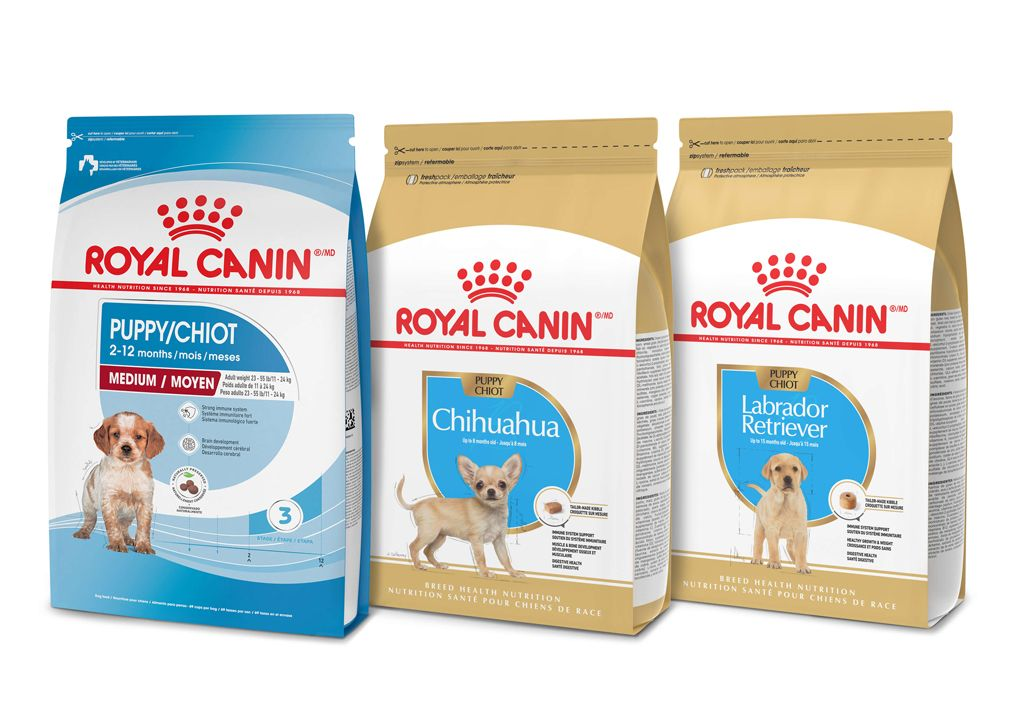
A quality growth food is a Health Nutrition food precisely suited to a type of puppy, according to the size of his breed and his age, his sensitivities or the particular features of his breed. At the end of growth, Health Nutrition enables to adopt a so-called “maintenance” diet for adult dogs, that perfectly meets the adult dog’s requirements.

Getting to know better the growth-related requirements of your MINI, MEDIUM, MAXI, GIANT dog

The meal: an important moment

Food, his master’s attention and a good place to sleep are very important elements for the dog.
As far as his diet is concerned, here are the 10 commandments of the dog owner, drawn up by behaviorist veterinarians.