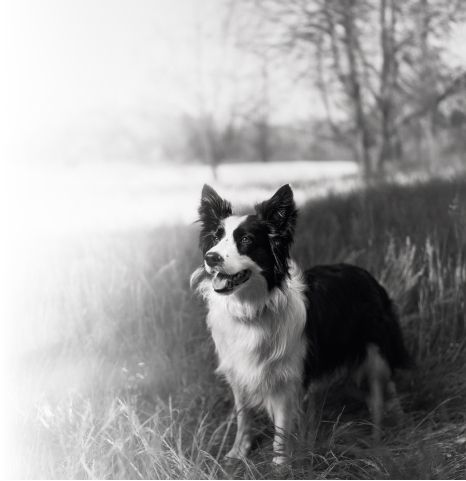

At Man’s side for millenia, the dog has adapted, but he has behavioral and nutritional requirements of his own. Knowing them and respecting them will guarantee his well-being and his health.

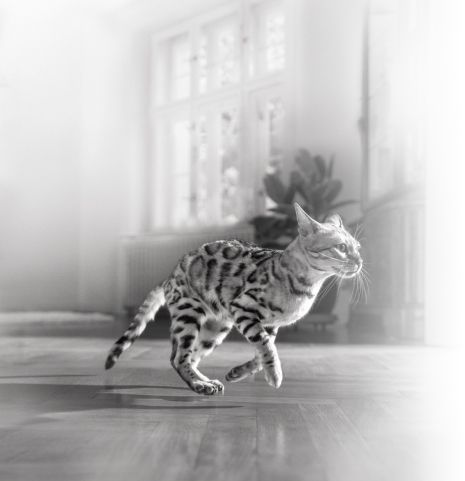
The cat’s feline nature is always a matter of fascination. He adapts with apparent ease to daily life, and yet he has behavioral and nutritional requirements of his own. Knowing them and respecting them will guarantee his well-being and his health.

Because of its composition, a Royal Canin Health Nutrition food provides all essential nutrients measured out with utmost precision in order to contribute every day and on a long-term basis to the well-being and health of every animal, according to his age, his size, his physiological condition and his breed.

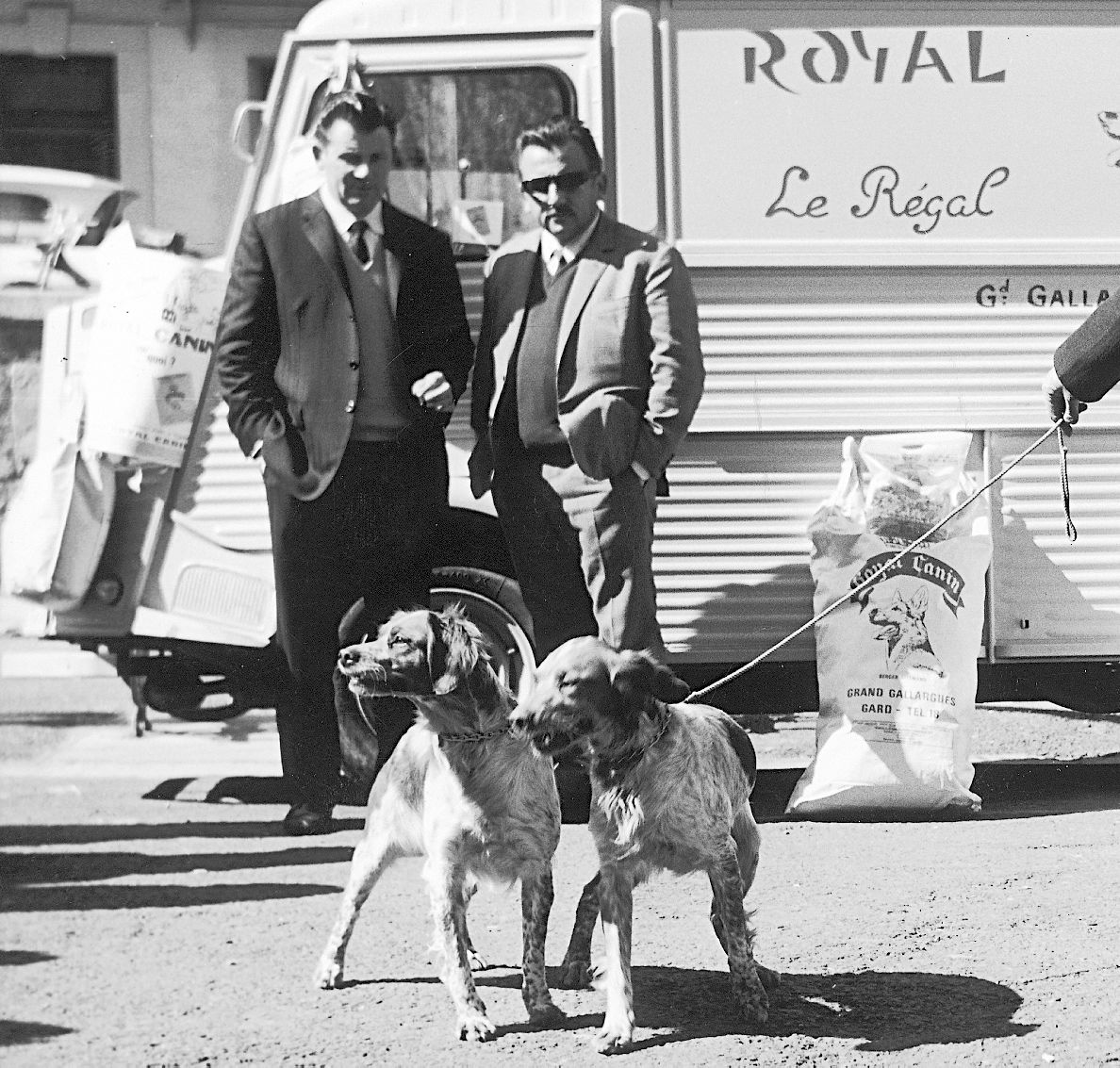
Innovation for the sake of dogs and cats’ health. For over 40 years, Royal Canin has worked with breeder partners and veterinary nutritionists to go ever further into innovation and precision to enable us to formulate nutritional solutions which perfectly meet dogs and cats’ real needs.

Living with your kitten

Videos

Grace of motion, softness of coat, mischievous unpredictability... The promises of an affectionate and knowing presence are already there, ready to bloom. As the only one in charge of his animal’s health and well-being, man owes it to himself to know his kitten’s true needs among which nutrition is an essential element.

Training him

A well-trained kitten

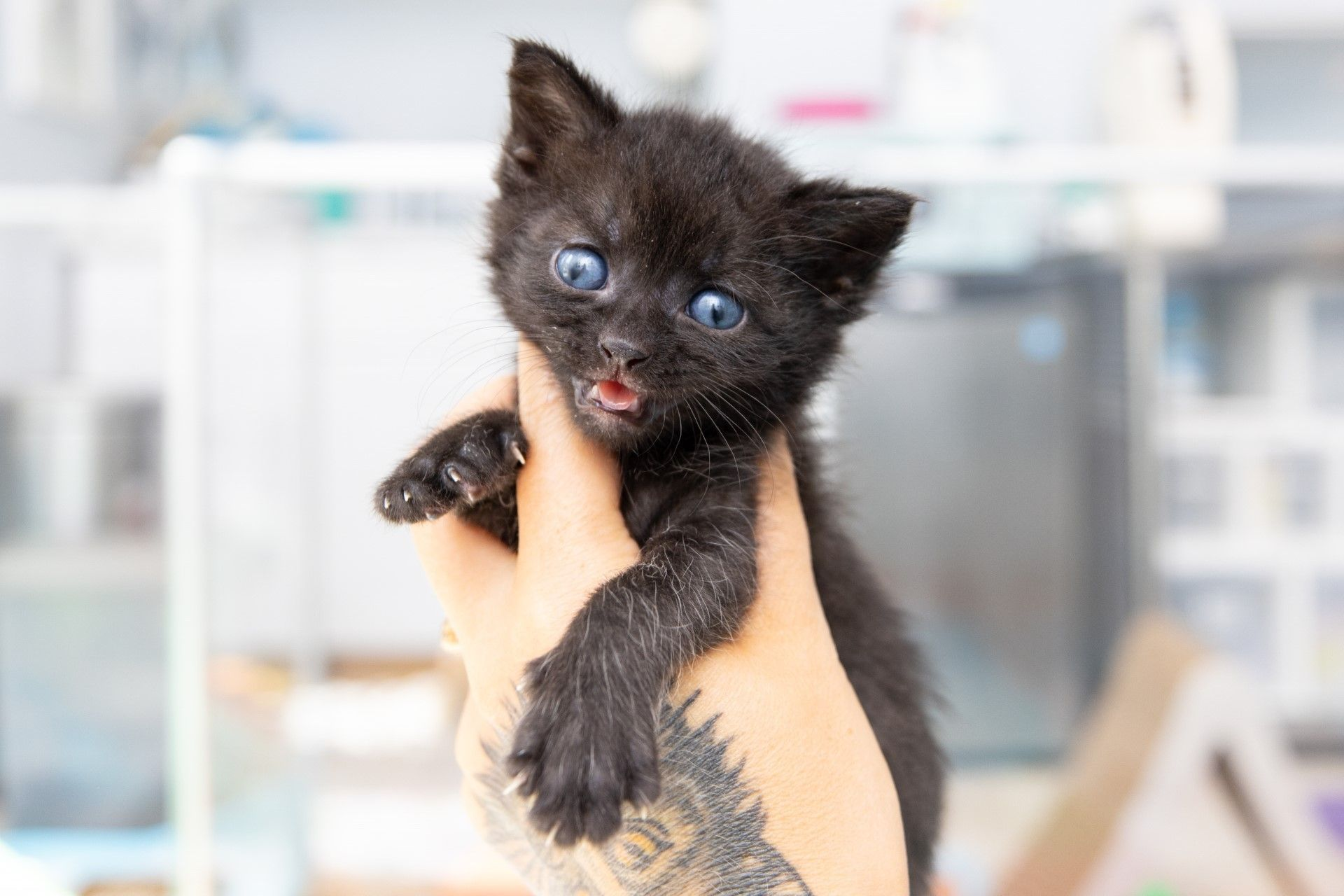
When the kitten arrives in his new living environment, around 3 months of age, most behaviors are acquired thanks to the preponderant role of his mother, of his siblings and of his breeder. However, it is important to ensure that the kitten fits into his new environment because his education is to be perfected until 9 months of age.

Print Send to a friend aA+ Aa-

The kitten’s behavioral development has major consequences on the adult’s future balance.

Grooming, elimination and feeding (to the exclusion of sucking) activities are partly innate. What remains to be acquired is taught by the mother.

Thus, from 3 weeks of age, the kitten may do his business in a litter box. The kitten is generally house-trained by 6 weeks of age. As early as the 4th week of age on average, he is able to feed on the same food as his mother, imitating her behavior and thus acquiring her dietary preferences. It’s also within his own family that the kitten is going to get familiar with his own species and integrate the necessary self-controls, especially controlling his biting and scratching. Education does not stop there!

Socialization, a crucial period

Socialization conditions to a large extent his behavior as a future adult since it’s during that period that the kitten learns to perceive as normal the events and situations to which he is confronted.

Socialization with the other human and animal species mainly takes place between the 2nd and the 7th week of age. During that period, it’s necessary for the kitten to evolve in an environment that will enable him to integrate all the future stimuli to which he will be confronted: children’s plays and screams, television, music, barking, interaction with several human beings who are going to handle him and play with him, closeness and interaction with other animals, miscellaneous play objects such as balls, cardboard boxes into which he’ll hide, etc. These enriching stimuli favor the blossoming out of a kitten.

When the future owner takes over

Entirely taken up by the discovery of his new environment, the young kitten quickly forgets his siblings. Properly welcomed, he is also very likely to prove to be well trained. Nevertheless, the new owner must spend time with his/her young animal, playing and observing his preferences during the weeks following his arrival.

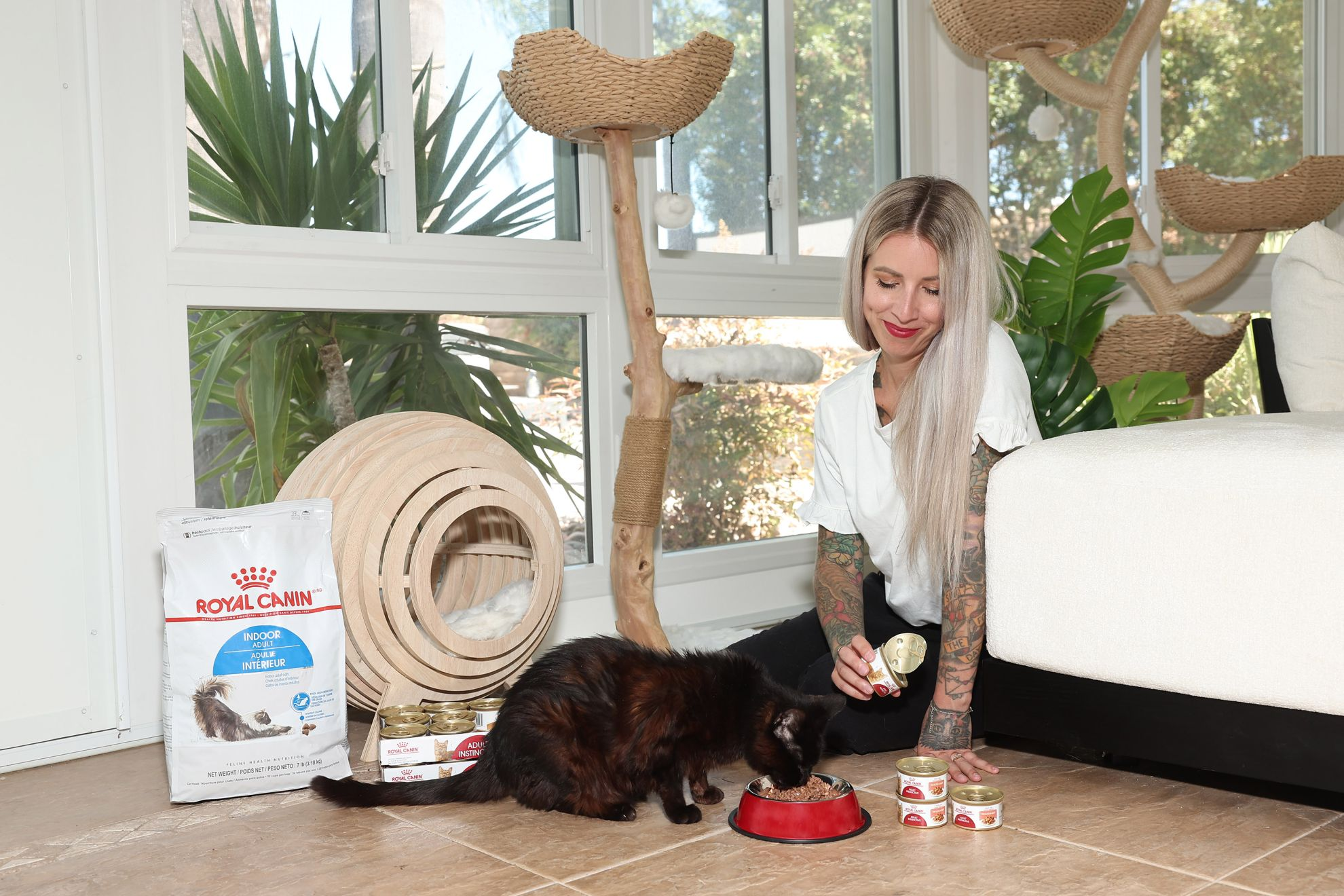
Among the most poorly accepted behaviors, the one that consists in sharpening his claws corresponds to a need that’s quite normal for a cat. This is why setting up a vertical scratcher next to one of his favorite passing spot or installing a cat tree is an obligation.

On the other hand, biting, aggressiveness, dirtiness must lead without any delay to look for the origin of these events with the help of a veterinarian. Once the causes have been identified, it may be very simple to remedy them at that age.

You should rather train than punish

Punishing an animal for any problem whatsoever, for instance dirtiness or an undesirable behavior, does not enable the animal to understand. On the contrary, this generates fear which may lead him to reproduce the inadequate behavior out of a lack of understanding, thus running the risk of being punished by his owner or of prompting him to be ill-tempered. Fear which comes back will turn into anxiety with detrimental consequences upon his health. As a matter of priority, education must be based on a sound knowledge of the animal’s needs and on rewarding his good learning.