
At Man’s side for millenia, the dog has adapted, but he has behavioral and nutritional requirements of his own. Knowing them and respecting them will guarantee his well-being and his health.

The cat’s feline nature is always a matter of fascination. He adapts with apparent ease to daily life, and yet he has behavioral and nutritional requirements of his own. Knowing them and respecting them will guarantee his well-being and his health.

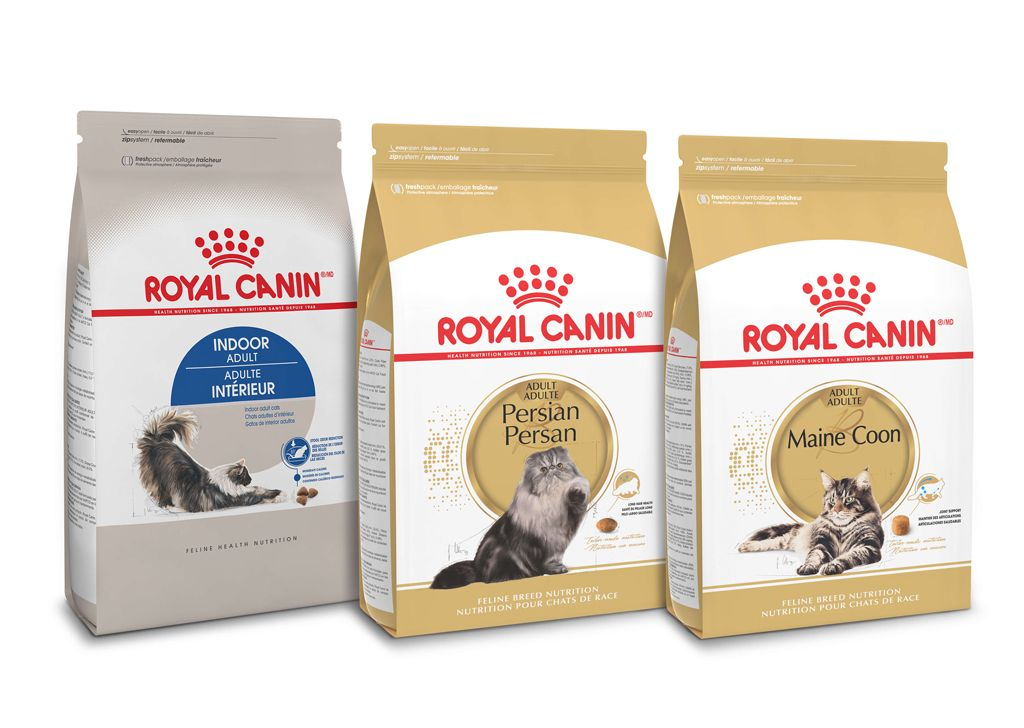
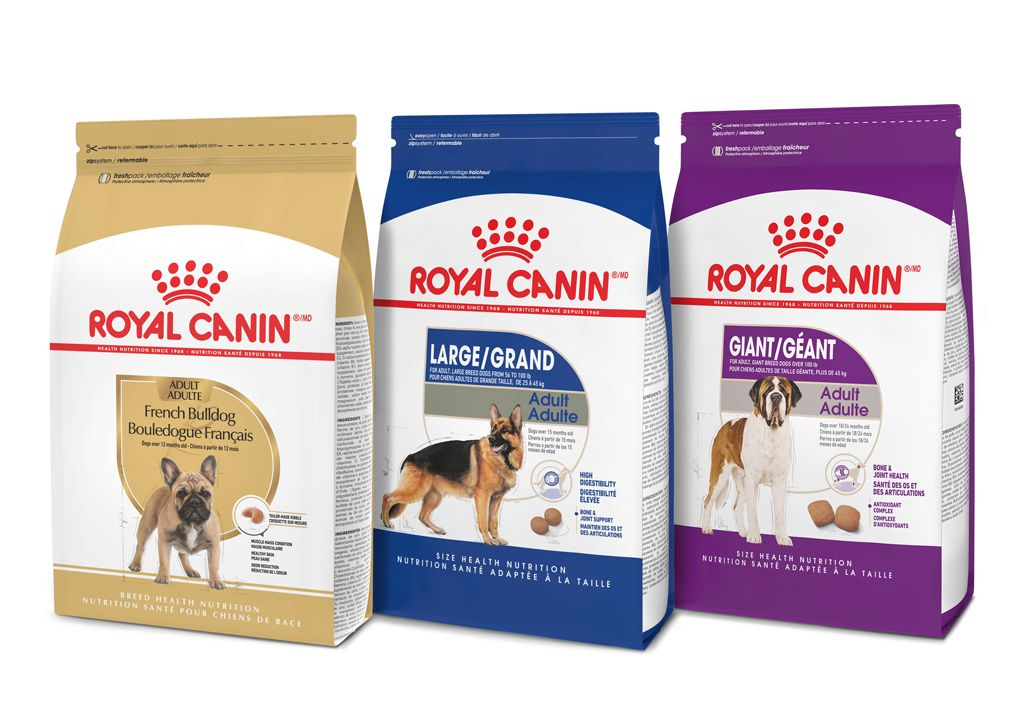
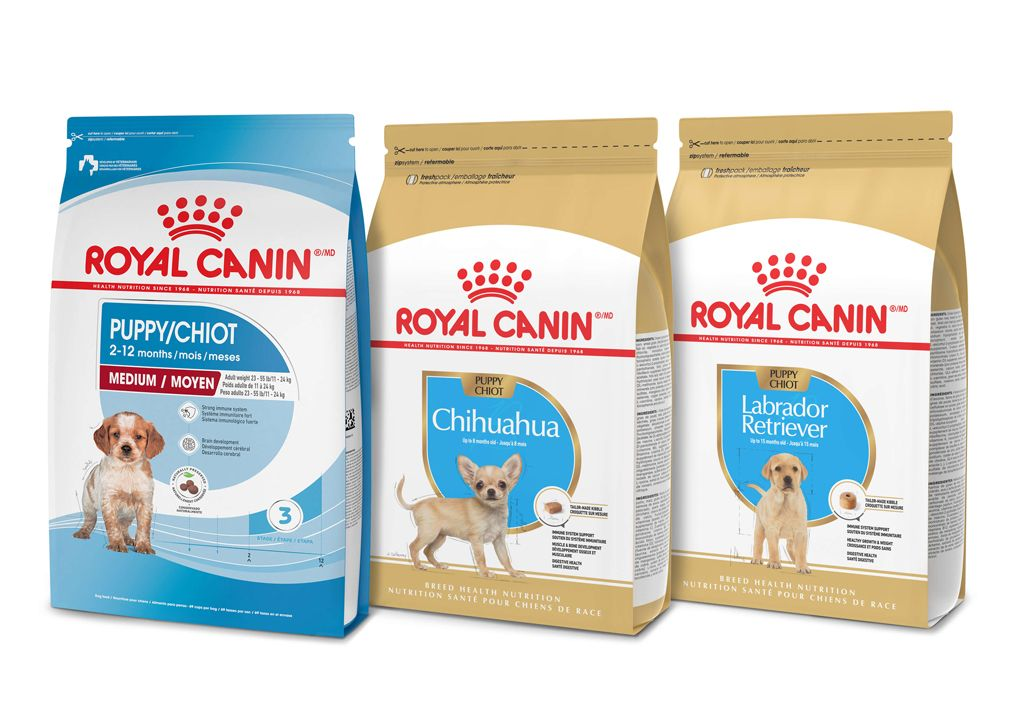
Because of its composition, a Royal Canin Health Nutrition food provides all essential nutrients measured out with utmost precision in order to contribute every day and on a long-term basis to the well-being and health of every animal, according to his age, his size, his physiological condition and his breed.

Innovation for the sake of dogs and cats’ health. For over 40 years, Royal Canin has worked with breeder partners and veterinary nutritionists to go ever further into innovation and precision to enable us to formulate nutritional solutions which perfectly meet dogs and cats’ real needs.

Living with your kitten

Feeding him

Feeding your kitten well

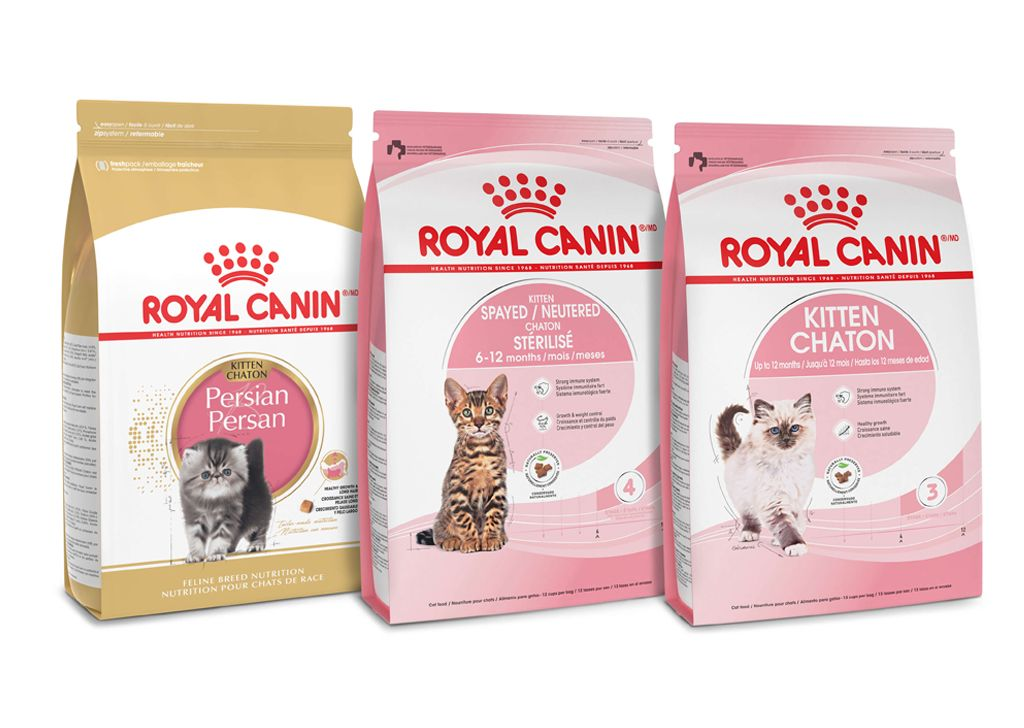
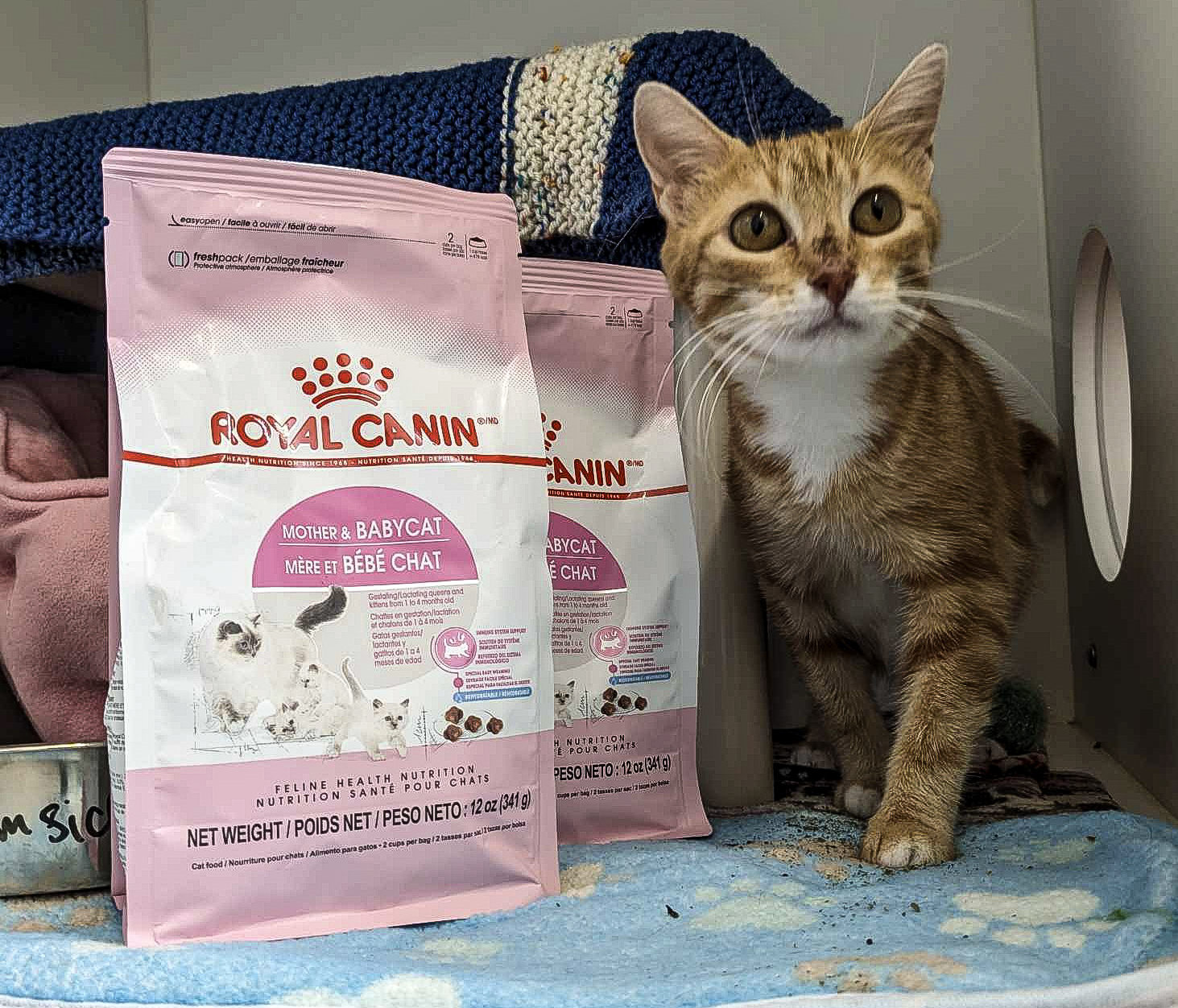
The kitten has nutritional requirements which are different from those of an adult cat. An adequate Health Nutrition diet, introduced gradually at the time of weaning, will stimulate his growth and a good dietary behavior.

Print Send to a friend aA+ Aa-

The kitten’s diet shall meet all the requirements which are essential for his proper growth. At birth, the newborn sucks his mother’s colostrum, needed for good immunity. Until about 5 weeks of age, his digestive tract is suited to the digestion of maternal milk. Gradually, he digests lactose (milk sugar) less and less well. Weaning, which is the gradual transition from a liquid diet to a solid diet, will lead him progressively towards a 1st stage kitten Health Nutrition food. This is a complete and balanced food formulated for this first phase of intense growth which extends from weaning until 4 months of age. Around 7 weeks of age, weaning is completed. The right habits must therefore be taken early!

Until 4 months of age

After weaning, the kitten’s digestive system remains immature and fragile. Therefore, it is wise not to introduce any sudden change in his diet upon his arrival in his new home. However, his diet must meet his specific nutritional requirements and feature a high energy concentration while being highly digestible. The fact is that a 10-week-old kitten eats 3.5 times more energy per kg of weight than an adult!

After 4 months of age

From 4 months of age, the kitten begins a period of slower growth: a 2nd stage Health Nutrition food providing ultra-reinforced digestive safety will contribute to proper muscle and bone development while having a lower fat content. Around one year of age, his digestive abilities reach their maturity and the cat is able to eat an adult Health Nutrition food suited to its lifestyle or to its breed. After sterilization, the cat’s energy requirements sharply decrease while his appetite increases. It is useful to get advice from the veterinary as regards the animal’s food intake.

The cat’s natural dietary behavior

In nature, an adult cat feeds on small preys that he hunts by instinct. His food intake is therefore broken down into numerous small meals, from 10 to 20 per 24-hour period. Since a meal lasts only one or two minutes, he eats 5 to 6 grams of food each time. This behavior is that of all cats, even those living in apartments. Consequently, it is essential for his balance to keep his food always at his disposal, making sure it is fresh, and served with renewed water.

Encouraging a sound dietary behavior

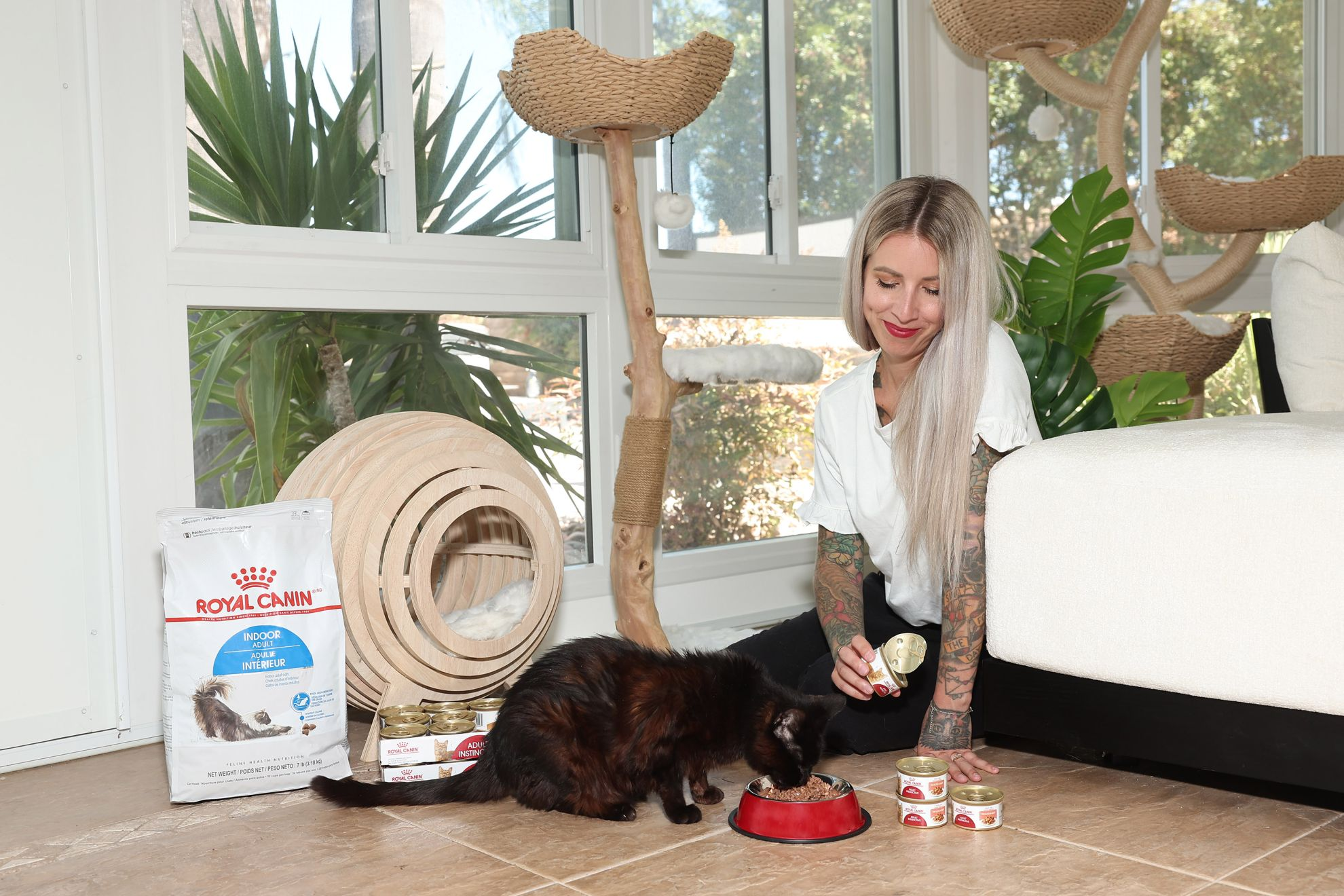
The kitten must eat in a quiet environment. The feeding place, the area where the bowls containing the water and food are placed, must be as far away as possible from the elimination area, i.e. the litter. If there is a dog in the house, it’s better to place the containers for the kitten out of the dog’s reach, at some height for instance.

It’s better not to use "water + food" double bowls. Water may be soiled and the kitten will refuse drinking. On the contrary, they must be set well apart from each other.

Glass or earthenware containers have the advantage of not retaining smells and are quite stable.

The food must be left gradually on a self-serve basis. However, you should watch the overall quantity eaten every 24 hours by weighing the recommended intake which is mentioned on the packaging. Water must always be limpid and changed twice a day.